
Rating: Needs Parent Supervision
Reading Level: Late Elementary, Middle School
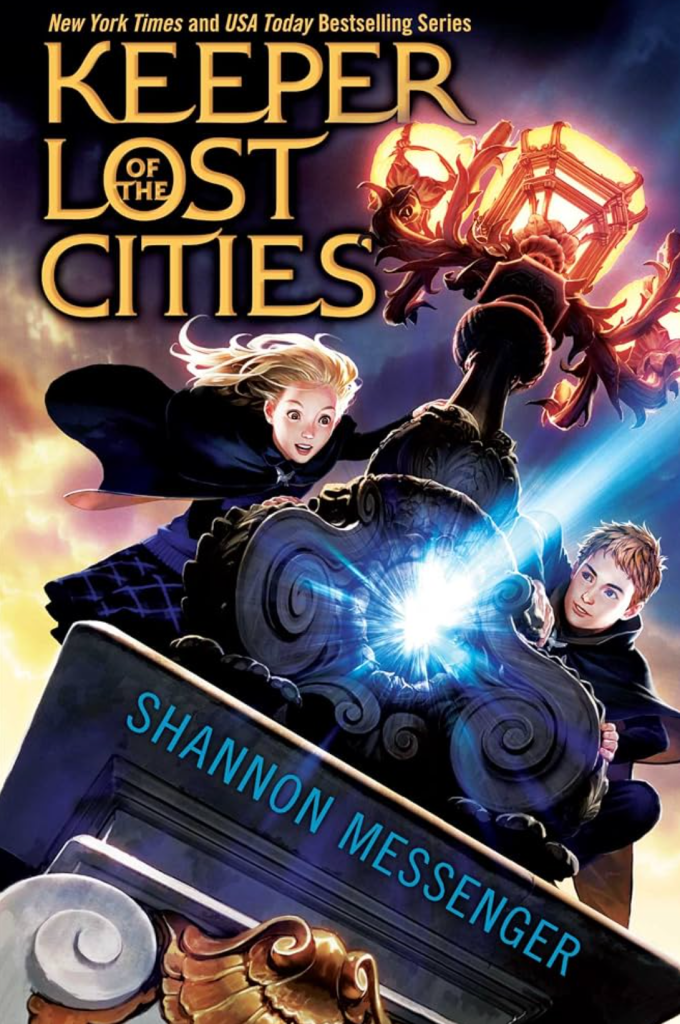
A socially outcast girl discovers she’s actually an elf with superpowers.
I have only ready Book 1 at this point, but it feels very much to me like a feminine version of Harry Potter: “Turns out I’m actually super duper magical, and there is a whole world I don’t know about where I actually belong.” Like the Harry Potter books, I wonder if the content gets heavier quickly through books in the series.
On the one hand, I really enjoyed the action and—on the surface level—it’s pretty clean. On the other hand hand, I’m disappointed that this book falls into the common pitfalls of books for girls: (1) too much emphasis on romance, crushes, and ranking people based on their looks or social status; (2) main theme is something along the lines of “turns out I’m a witch.” Although in this case it’s an elf instead of a witch, so… totally better right? and (3) Generally supports the problematic worldview that says “follow your heart” and “just do what you think is right” rather than submitting to authority or to a moral code.
Possible Concerns:
- Unbiblical Worldviews about the source of truth and morality. Like my critique of Eragon and The Inheritance Cycle books, there is an unbiblical view on where truth and morality comes from. Sophie submits to no authority other than “I did what I thought was right.” When her guardians try to protect her, she disobeys and doesn’t submit to their authority. Later, she violates laws from the council and defies her own promises to adults because they don’t agree with her plan. Granted, she does most of the disobedience in order to save lives, so it’s hard to be too critical. Nevertheless, I fear that this book feeds into a worldview that’s sort of: If I don’t like it I won’t follow it, and I determine my own sense of right and wrong instead of recognizing a higher authority and submitting to it.
- Girl talk/Crushes/Objectifying/Ranking people based on appearance. There is a LOT of talk about crushes, boys, who likes who, and she’s not used to being cute, but everyone thinks she’s the cutest girl at her new school. A boy accidentally compliments her on being “the cutest girl in school” and she makes comments like, “since when were cute boys interested in her?” She often flushes when she wonders if her feelings about a particular boy are too obvious. In my opinion, our culture places too much emphasis on romantic love, and this book just feeds the fire. Parents: tread carefully here!
- Brown eye color. The book makes a big deal about Sophie having brown eyes. None of the other elves do, and she wishes she weren’t different. At first, the other elf kids are interested, but then they start to try to mimic it. If eye color is a sensitive topic or is related to sensitive topics about race in your local community, you might like to be warned it’s touched on several times in this book.
- Tragic loss of daughter in a fire. Sophie’s Guardians lost a daughter to a fire when she was a young adult. If you have a similar tragedy in your family, be forewarned that several times Sophie tries to learn what happened, or sets her guardians off when she puts herself in similar danger.
- Opnions about extinction. An elf Sophie admires makes a comment that letting an animal go extinct is pretty much criminal. While I’m no fan of a species dying out, to me it read like a critique of God’s sovereignty and a jab at His decision to let dinosaurs die out.
- Telepathy. One of Sophie’s gifts is telepathy; she can read minds, transmit messages and (spoiler alert!) later we learn she can also inflict pain telepathically.
- Disrespect for adults. Some of the adults in the series are treated disrespectfully by kids. At one point a kid jabs at an adult that she had feelings for a man who married another. Other times it’s comments about their smell, appearance, etc.
- Body humor. There are fart jokes and comments that something smells like a fart.
Discover more from Jesus loves bookworms
Subscribe to get the latest posts sent to your email.

